
Fences and Property Lines: How to Avoid Disputes With Your Neighbor Before You Install
A new fence should make your yard feel more finished — not start a conflict with the people next door. Most fence line disputes are avoidable, and they almost always come down to the same root cause: nobody confirmed the property line, and nobody talked to the neighbor before the crew showed up.
Start With a Survey, Not a Guess
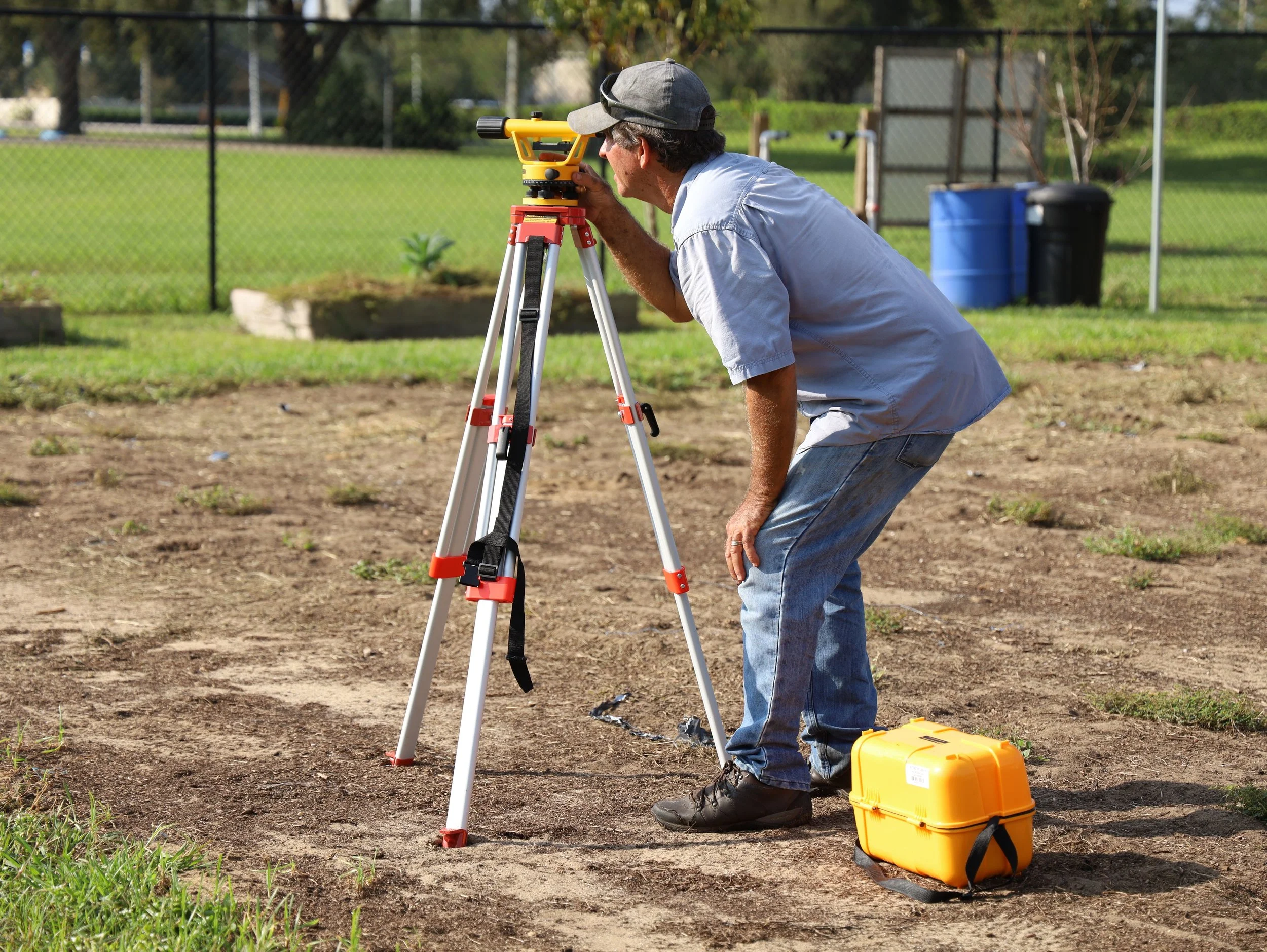
Old fences, landscaping, and even neighborly assumptions are not reliable proof of where a property line actually falls. If there’s any doubt about the exact boundary — especially on an older lot or one with an irregular shape — a licensed surveyor can confirm it. It’s a small upfront cost that prevents a much bigger problem: a fence that has to be moved after it’s built because it encroaches on the neighboring lot.
California’s “Good Neighbor” Fence Law
California Civil Code Section 841, sometimes called the “Good Neighbor” fence law, addresses fences built directly on a shared property line. The law presumes that both property owners benefit equally from a boundary fence, so the reasonable cost of a standard fence is generally split 50/50 between neighbors.
Before starting a project on the shared line, California law calls for the owner initiating the fence to give the neighbor 30 days’ written notice describing the proposed fence, its location, the estimated cost, and a proposed timeline. If one neighbor wants a significantly upgraded fence — premium materials, extra height, decorative features — the additional cost above a standard fence is typically their own responsibility rather than something they can require the other owner to split.
This is general information, not legal advice. If you’re in an active disagreement with a neighbor over a fence, it’s worth speaking with a real estate attorney about your specific situation.
Talk Before You Build
Even where the law doesn’t require it, a short conversation goes a long way. Walk the fence line together, agree on height and style, and put the agreement in writing — even a simple note signed by both parties is enough to prevent a misunderstanding down the road.

What if the Fence Isn’t Exactly on the Line?
If a fence sits entirely within your own property, rather than directly on the shared boundary, the cost-sharing presumption generally doesn’t apply, and you don’t need your neighbor’s permission to build it. Even so, a heads-up conversation is good practice, especially if the new fence will change sightlines, shade, or access either of you is used to.
When Disagreements Happen
If a dispute does come up, mediation is almost always faster and less expensive than going to court. A local mediation service or your city’s planning department can often help sort out boundary questions before they escalate. For a legally binding answer about exactly where a line falls, a licensed surveyor is the final word.
A little communication up front is the cheapest insurance there is. If you’d like a second set of eyes on your fence line before we design anything, reach out to Legacy Fence for a free quote.